Dog Valentine SVG Design
A Designer’s First Glance: Sweet, Simple, and Stitch-Ready
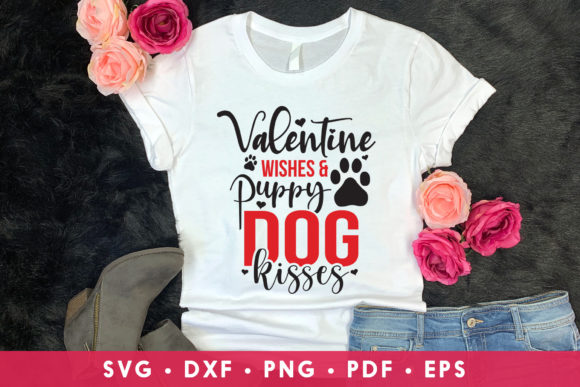
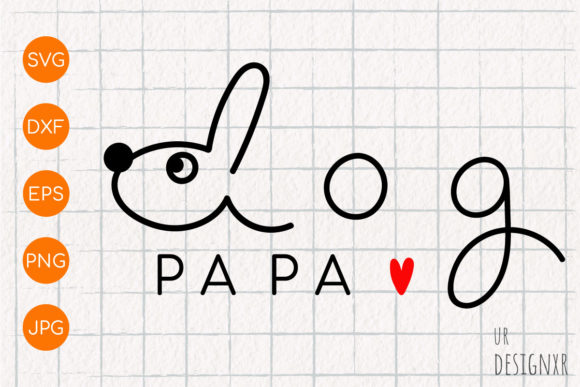
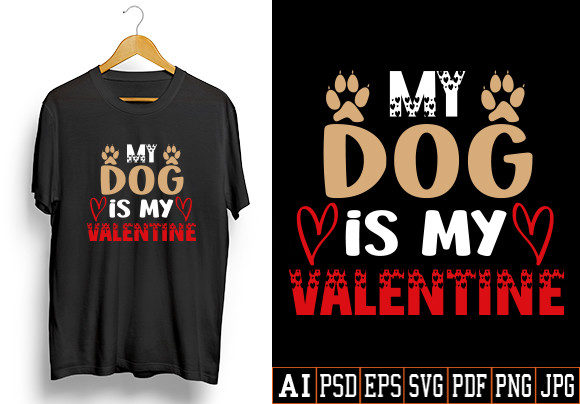
Opening the Dog Valentine Svg Design files—AI, EPS, SVG, PNG, PDF—I immediately notice its quiet charm. It’s not flashy or overly detailed; instead, it leans into warmth and sincerity with clean outlines, balanced negative space, and a gentle three-color structure. The dog motif feels affectionate—not cartoonish or cutesy—but tender, like a quiet “I love you” whispered through fur and heart shapes. That mood lands perfectly for handmade products where emotional resonance matters more than visual noise: think baby onesies, linen tea towels, or minimalist sweatshirt embroidery for pet lovers.
Where This Design Truly Shines in Real Projects
I recently tested the Dog Valentine Svg Design on a natural cotton tote bag destined for a local boutique’s Valentine’s Day pop-up. Paired with soft ecru thread on oat-colored canvas, the result was cohesive, tactile, and quietly joyful. No one mistook it for mass-produced—it read as intentional, hand-selected, and thoughtfully stitched. That’s the strength of this design: it supports the handmade product without demanding attention. It works beautifully as:
- Embroidered patch for denim jackets or backpacks—its three-color version translates cleanly to satin stitch borders and subtle fill areas;
- Sweatshirt embroidery on unisex crewnecks, especially when centered above the left chest—its compact footprint avoids overwhelming heavier fabrics;
- Baby embroidery on organic cotton burp cloths and knit caps—the scale is forgiving, and the heart-dog blend reads as sweet, not saccharine;
- Holiday embroidery for small-batch gifting (think pillow covers or kitchen towels), where subtlety elevates perceived value;
- Commercial embroidery for Etsy sellers offering personalized gifts—the design scales well across sizes and integrates easily into digital embroidery file bundles.
Where to Proceed With Care
This isn’t a “set-and-forget” machine embroidery design—and that’s okay. Its appeal lies in thoughtful application, not universal plug-and-play. Use caution on:
- Small hoop sizes: While the layout is compact, tight corners and layered color transitions benefit from at least a 4" x 4" hoop for clean satin stitch execution;
- Textured or stretchy fabric: On terry cloth towels or ribbed knit baby onesies, stabilize generously—this design includes defined curves and slight overlaps that can distort without proper backing;
- Dark or dense fabrics: The three-color version relies on contrast. On charcoal sweatshirts or black denim, test thread colors first—especially the lighter accent tones—to ensure legibility after stitching;
- Curved surfaces like caps: The shape holds up well, but avoid placing it too close to the bill seam—subtle distortion can blur the heart outline;
- Frequent-wash items: As with any embroidery file, reinforce backstitching on small details and confirm stitch density isn’t overly sparse in fill areas meant for durability.
What It Adds—Beyond Just Stitches
The Dog Valentine Svg Design subtly lifts the entire perception of your finished product. On an apron sold at a craft fair, it didn’t scream “Valentine’s”—it invited conversation. Customers paused, smiled, and said, “My dog *would* send me flowers.” That kind of emotional hook builds buyer engagement and trust far more than intricate flourishes ever could. For Etsy sellers, it strengthens brand consistency when used across coordinated listings—say, matching tea towel + pillow cover + baby bib sets—without needing custom illustrations each time. And for craft business owners building a seasonal collection, it functions as reliable design assets: versatile enough for digital embroidery file shops, printable mockups, or physical product lines.
Practical Notes Every Embroidery Designer Should Check
Before cutting fabric or loading your machine, run through these real-world checks:
- Test on scrap fabric first—especially if using textured weaves or blends. Watch how the three-color transitions behave under tension;
- Review stitch density visually, not just numerically. Dense fills should feel substantial, not muddy; running stitch accents should remain crisp;
- Confirm hoop size compatibility—the design’s proportions suggest it fits standard 4" x 4" hoops, but always verify against your machine’s limits;
- Inspect small details in vector format (AI or EPS) to ensure no stray anchor points or hidden layers compromise clean cutting or stitching;
- Try black-and-white mockups—this design’s clarity shines in monochrome previews, making it ideal for social media thumbnails or digital embroidery file listings;
- Compare light/dark fabric backgrounds using PNG overlays—some accents may need slight thread swaps depending on base color;
- Use appropriate stabilizer: medium-weight cutaway for knits, tear-away for stable wovens, and fusible for lightweight linens;
- Verify licensing terms before selling finished items or bundling the digital embroidery file commercially—since it’s listed under Crafts and Graphics, confirm whether personal use, small business, or extended commercial rights apply.
Final Thought: A Design That Serves the Maker, Not Just the Machine
The Dog Valentine Svg Design doesn’t try to be everything. It’s not a showstopper for trade shows or a technical marvel for stitch-count obsessives. Instead, it’s a grounded, usable, emotionally intelligent embroidery file—one that respects the time of the maker and the expectations of the customer. Whether you’re stitching a single personalized gift or producing fifty embroidered tote bags for a boutique launch, it delivers consistency without compromising character. In a landscape crowded with overdesigned graphics, its restraint is its strength. And in craft business, that kind of thoughtful simplicity? That’s what keeps customers coming back—not once, but every season.