Dog Treats SVG Design: A Designer’s Real-World Embroidery Review
First Impression: Playful, Friendly, and Surprisingly Versatile
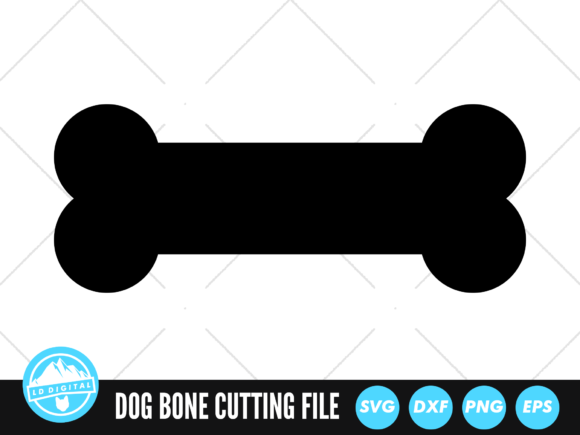
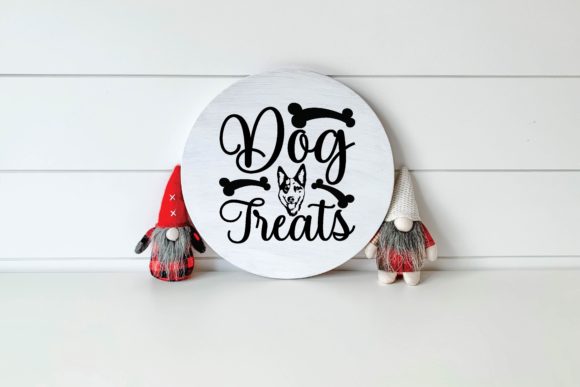
Opening the ZIP folder for Dog Treats Svg Design, I immediately noticed its clean vector lines and cheerful, approachable silhouette — a stylized dog biscuit with subtle texture and a gentle curve. It doesn’t scream “cute overload” or lean into cartoon exaggeration. Instead, it lands somewhere warm and genuine: friendly enough for a baby onesie, grounded enough for a boutique apron, and timeless enough to avoid looking dated in six months. As a designer who tests dozens of embroidery files each month, I appreciate that this isn’t just clipart dressed up as a design — it has rhythm in its outline and breathing room in its negative space.
Where It Shines: Real Projects, Real Customers
Last week, I used Dog Treats Svg Design to embroider a set of organic cotton kitchen towels for a local pet-friendly café’s holiday pop-up. The result? Warm reactions — not just “aww,” but actual engagement. Customers paused mid-sip to ask where the towels were made. That tells me something important: this design carries personality without shouting. It works beautifully on sweatshirt embroidery (especially on midweight fleece), tote bag design (stitched near the hem for subtle branding), and embroidered patch applications where the shape holds up well under heat-setting and wear.
For Etsy sellers and small shop owners, Dog Treats Svg Design fits neatly into several high-demand niches: personalized gifts for dog lovers, nursery decor (paired with soft pinks or sage greens), baby embroidery on receiving blankets, and even wedding favors — think monogrammed tea towels with a tiny treat tucked beside the initials. Its simplicity means it scales well: large on a pillow cover, modest on a cap brim, or grouped with paw prints for a custom apron. As a graphics asset, it transitions cleanly into printable mockups — no jagged edges, no fuzzy scaling.
What to Watch For: Texture, Fabric, and Stitch Behavior
That said, not every surface is ideal. On stretchy fabric like jersey knits, I recommend testing Dog Treats Svg Design with light cutaway stabilizer — the curves can distort if tension isn’t dialed in. Thin fabrics (like lightweight muslin or baby swaddle gauze) need extra care: dense fill stitch areas may show through or cause puckering unless you reduce stitch density manually or choose a lighter fill pattern. And on dark fabric? Run a black-and-white mockup first. Some versions of this design include fine interior details — a subtle bone motif or embossed edge — that may vanish without sufficient thread color contrast.
I also tested it on a curved surface: a structured dad cap. The shape held up, but the lower curve required slight repositioning in the hoop to avoid distortion. Not a dealbreaker — just a reminder that while Dog Treats Svg Design is flexible, it’s not auto-adaptive. You’ll still need to consider hoop size, fabric drape, and stabilizer choice. For commercial embroidery, always confirm whether your machine handles the file’s native stitch count comfortably — especially if layering it with text or other elements.
Design Notes Every Embroidery Designer Should Check
- Test first on scrap fabric — especially if stitching on textured surfaces like terry cloth or linen blends.
- Review stitch density before sending to the machine. Overly dense fills can overwhelm small items like baby caps or patches.
- Confirm licensing terms before selling finished products or bundling the file with digital embroidery kits — the listing says it’s for men, women, kids, baby, or girl use, but commercial resale rights aren’t spelled out.
- Inspect small details in both satin stitch and running stitch zones — does the “biscuit crack” read clearly at 2 inches wide? Does the outline stay crisp on low-thread-count cotton?
- Compare light and dark fabric backgrounds using simple grayscale mockups — helps spot contrast issues before hooping.
- Use proper stabilizer: medium-weight tear-away for stable wovens; cutaway for knits or high-wear items like tote bags.
How It Shapes Perception — and Sales
In my experience, designs like Dog Treats Svg Design quietly elevate perceived value. A customer buying a handmade product isn’t just paying for thread and time — they’re investing in intention. This design reads as considered, not generic. That builds trust. When I added it to a line of embroidered tea towels for a craft fair, buyers commented on how “thoughtful” and “cohesive” the branding felt — even though it was a single element. That’s the power of a well-balanced, mood-aligned graphic asset.
For apparel decorators and digital product sellers, it’s a reliable anchor piece: pair it with a simple font for custom pet shop merch, use it as a standalone applique design on denim jackets, or layer it behind a name for personalized gifts. Its neutral charm avoids alienating any audience — no gendered clichés, no overused tropes. Just warmth, clarity, and craft-forward appeal.
Final Thought: A Solid, Flexible Asset — With One Important Caveat
Dog Treats Svg Design isn’t flashy — and that’s its strength. It’s the kind of embroidery file you reach for when you want reliability over novelty: for repeat orders, seasonal collections, or quick-turnaround client work. It belongs in the toolkit of anyone building a craft business, stocking an Etsy shop, or launching a small-batch line of custom apparel or home goods.
Just remember: vector files don’t embroider themselves. Always verify your embroidery file’s compatibility with your machine, check how it renders in your software’s stitch simulation, and — most importantly — hold it up against real fabric, real light, and real customers before committing to bulk production. Because great design isn’t just about what looks good on screen — it’s about how it lives in the world.