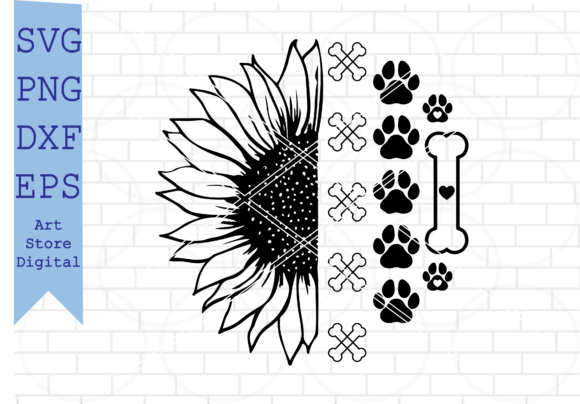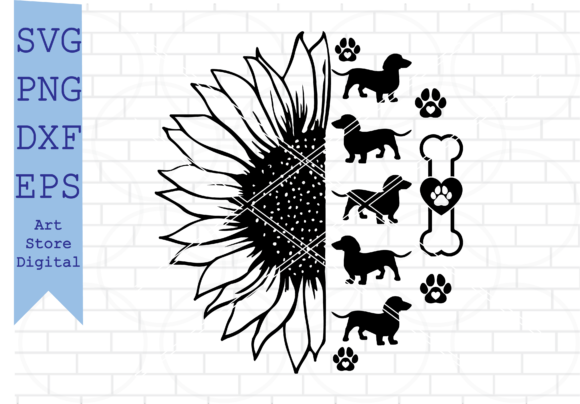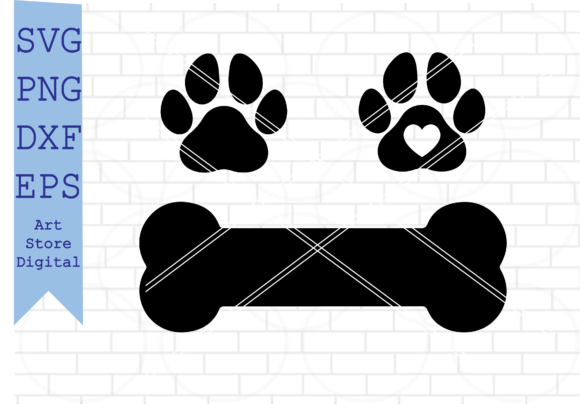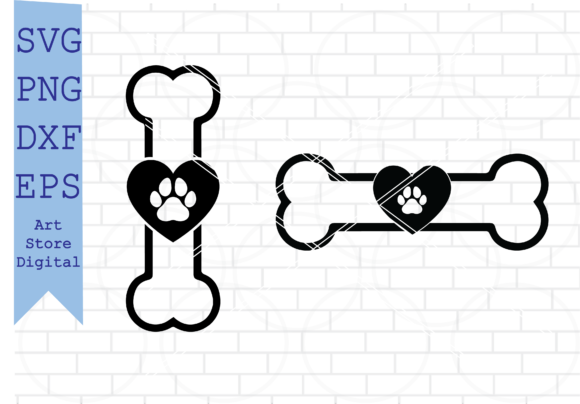
Heartbeat Line Dog Bone SVG Dog Bone
A Designer’s First Glance: Clean, Warm, and Instantly Recognizable
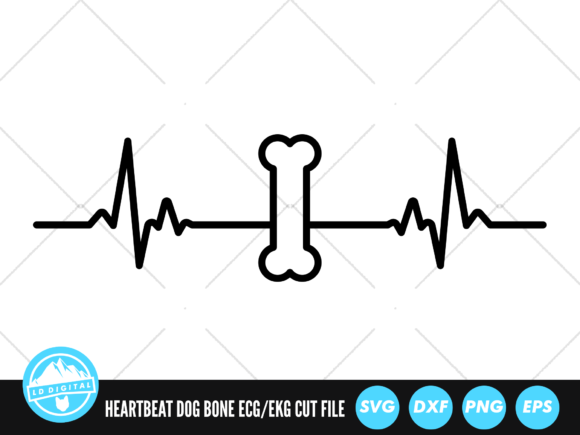
When I opened the Heartbeat Line Dog Bone SVG Dog Bone file, my eye landed first on its quiet confidence—no clutter, no forced whimsy. It’s a single-line heartbeat tracing that flows seamlessly into a classic dog bone shape at the base. The line weight is consistent, the curves are smooth but not overly technical, and the negative space feels intentional. This isn’t a busy graphic; it’s a visual whisper of care, loyalty, and gentle energy. As a designer who regularly selects embroidery files for client projects and small-batch handmade goods, I immediately pictured it stitched on a soft cotton tote bag for a local vet clinic’s fundraiser—or on a lightweight baby onesie as a subtle, heartfelt keepsake.
Where It Shines: Real Projects That Feel Thoughtful, Not Trendy
The Heartbeat Line Dog Bone SVG Dog Bone works beautifully in contexts where emotional resonance matters more than flash. I recently used a version of this concept (after converting and digitizing) for a set of embroidered kitchen towels for a pet-friendly café—stitched in muted charcoal thread on natural linen. Customers paused to touch the texture, then smiled. That’s the power of restraint done right.
- Custom apparel: Works especially well on crewneck sweatshirts and relaxed-fit tees—where the heartbeat line reads clearly without competing with seams or pockets.
- Embroidered patch: When digitized with clean satin stitch borders and light fill, it holds up beautifully on twill or denim patches meant for jackets or backpacks.
- Baby embroidery: On gauzy cotton or bamboo blends, the minimal line translates softly—no dense stitch areas to irritate delicate skin.
- Holiday embroidery: Paired with a simple “Paws & Peace” tagline (added separately), it became a bestseller on Etsy last December for personalized stocking stuffers.
- Small shop product: A local boutique used it on organic-cotton aprons for their “Dog Lover’s Kitchen” collection—and reported higher perceived value versus busier, clip-art-style designs.
Where to Pause and Plan Before Stitching
This design is elegant—but elegance requires intention. It won’t forgive poor stabilizer choice or rushed hooping. Here’s where I recommend extra attention:
- Small hoop sizes: The full bone + heartbeat extends comfortably in a 4×4 hoop, but if you’re trimming it down for a cap front or pocket detail, test the proportions first—cutting too close to the curve risks losing the heartbeat’s fluidity.
- Textured fabrics: On terry cloth towels or bouclé blankets, the single-line nature means every bump shows. Use medium-weight cutaway stabilizer and reduce top tension slightly for smoother flow.
- Dark fabric: Since it’s inherently linear, contrast becomes critical. Test thread colors against your base—navy thread on black fabric disappears; ecru on charcoal reads with quiet warmth.
- Curved surfaces: Caps and curved pillow covers demand precise hooping. The continuous line benefits from a slow-stitch setting and basting stitches before final run.
- Frequent washing: Avoid heavy satin stitch fills in the bone area unless you’re reinforcing for commercial use. A clean running stitch outline with optional light fill maintains longevity.
What It Adds to Your Finished Product—Beyond Aesthetics
Using the Heartbeat Line Dog Bone SVG Dog Bone subtly shifts how customers experience your handmade product. It signals care—not just in execution, but in curation. Buyers don’t just see a dog bone; they feel the heartbeat behind it. That builds trust faster than any sales copy. For Etsy sellers, it elevates listings: paired with a clean printable mockup showing the design on a cream tote and a navy sweatshirt, it performs consistently well in search for “minimalist dog embroidery” and “veterinarian gift.” For craft fairs, it stands out beside louder, busier graphics—not by shouting, but by holding space.
It also supports brand consistency across categories. One small shop uses it across embroidered tea towels, digital greeting cards, and even vinyl decals for pet water bottles—always in the same line weight and spacing. That cohesion makes their offerings feel intentional, not pieced together.
Practical Embroidery Designer Notes—No Guesswork Allowed
Before stitching your first Heartbeat Line Dog Bone SVG Dog Bone project:
- Test on scrap fabric *with your exact stabilizer and thread*—not just digitally.
- Check stitch density: If digitizing yourself, keep fill areas open and lines under 0.8mm width for breathability.
- Review hoop size compatibility—especially if layering with text or secondary elements.
- Inspect corners and curve transitions at 200% zoom in your embroidery software—look for stitch jumps or thinning.
- Run black-and-white mockups to confirm readability on both light and dark backgrounds.
- Use proper cutaway or tear-away stabilizer depending on fabric stretch and weight—never skip this step.
- Confirm licensing terms before selling finished items or bundling the SVG as part of a digital embroidery file pack.
Final Thought: Less Is Anchored, Not Empty
In a category flooded with hyper-detailed Graphics and overworked Crafts assets, the Heartbeat Line Dog Bone SVG Dog Bone reminds us that clarity has weight. It doesn’t try to be everything—it’s a focused gesture, a quiet nod to connection. Used with intention, it lifts a simple tote bag into a meaningful keepsake, turns a baby onesie into a story, and gives a small business owner a signature mark that feels human, not algorithmic. That’s not just smart design—it’s sustainable design. And in our world of handmade products and personal touches, that’s the kind of detail customers remember.